In this guide
The first photo is your ad. Buyers scroll a grid of thumbnails and stop on the ones that look like a car worth owning. Everything else, the price, the mod list, the paperwork, only gets read if the photos earn it.
You don't need a camera or a photographer. A recent phone, a clean car, the right light and a shot list will put your ad ahead of most of the market.
Quick answer: Wash and detail the car. Shoot in soft light (early morning, late afternoon or overcast) in a clean, open location. Use landscape orientation and the phone's main lens, standing back and crouching to about headlight height. Follow a full shot list: front three-quarter, sides, rear, interior, engine bay, wheels, key mods, paperwork and any flaws.
Prep the car first
Photos amplify everything, including dirt.
- Wash, dry and clean the glass inside and out
- Dress the tyres lightly (a satin finish, not dripping gloss)
- Clean the wheels and wheel arches. Brake dust shows up in every shot
- Detail the interior: vacuum, wipe the dash, remove floor mats if they're tired, clear out every personal item
- Wipe down the engine bay. No need to go mad, just remove dust and leaves
- Take off phone mounts, air fresheners, parking permits and toll tags from the windscreen
If it's a modified car, make sure the parts you're selling it on are clean and visible. Nobody pays extra for coilovers they can't see.
Light and location
When to shoot
The best light is soft and even:
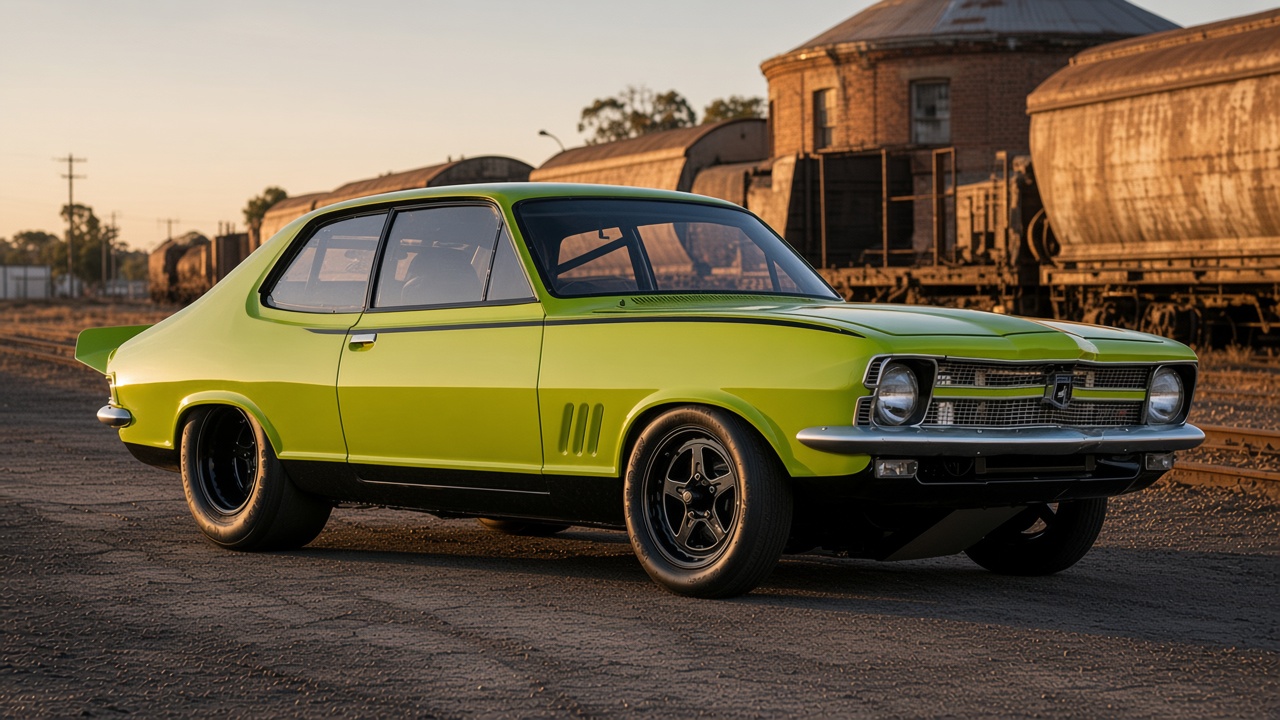
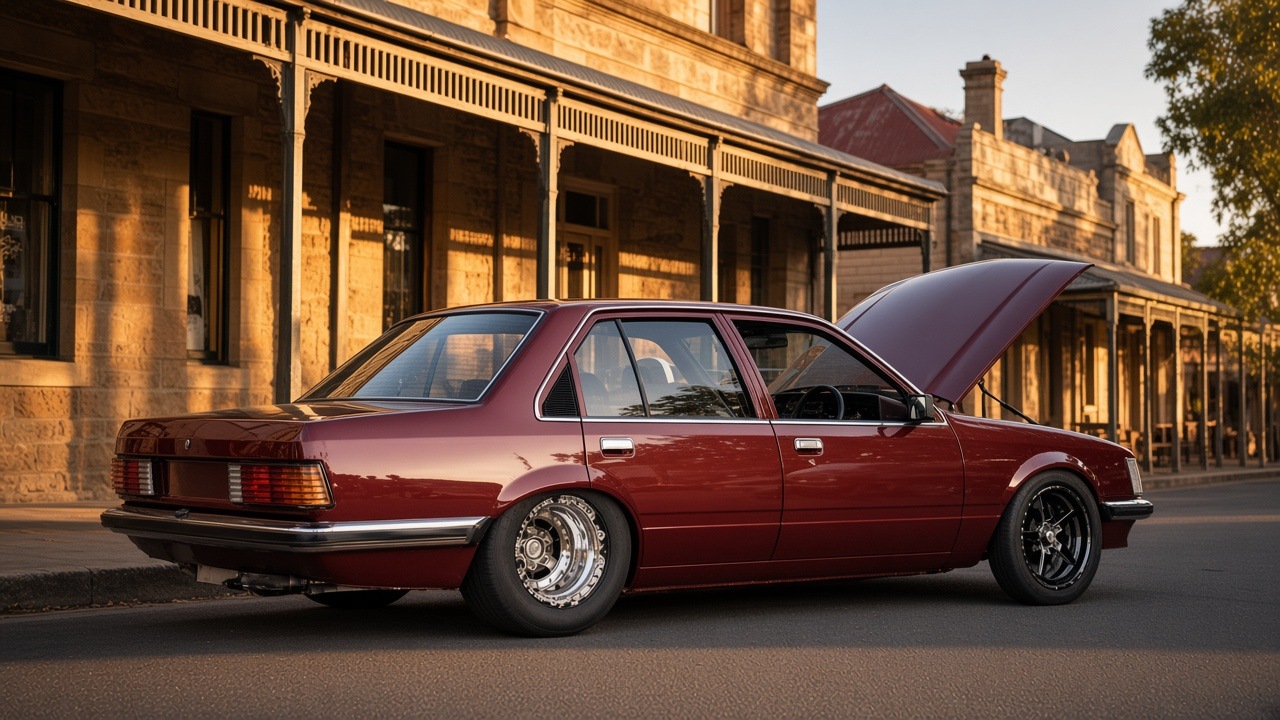
- Early morning or late afternoon, when the sun is low
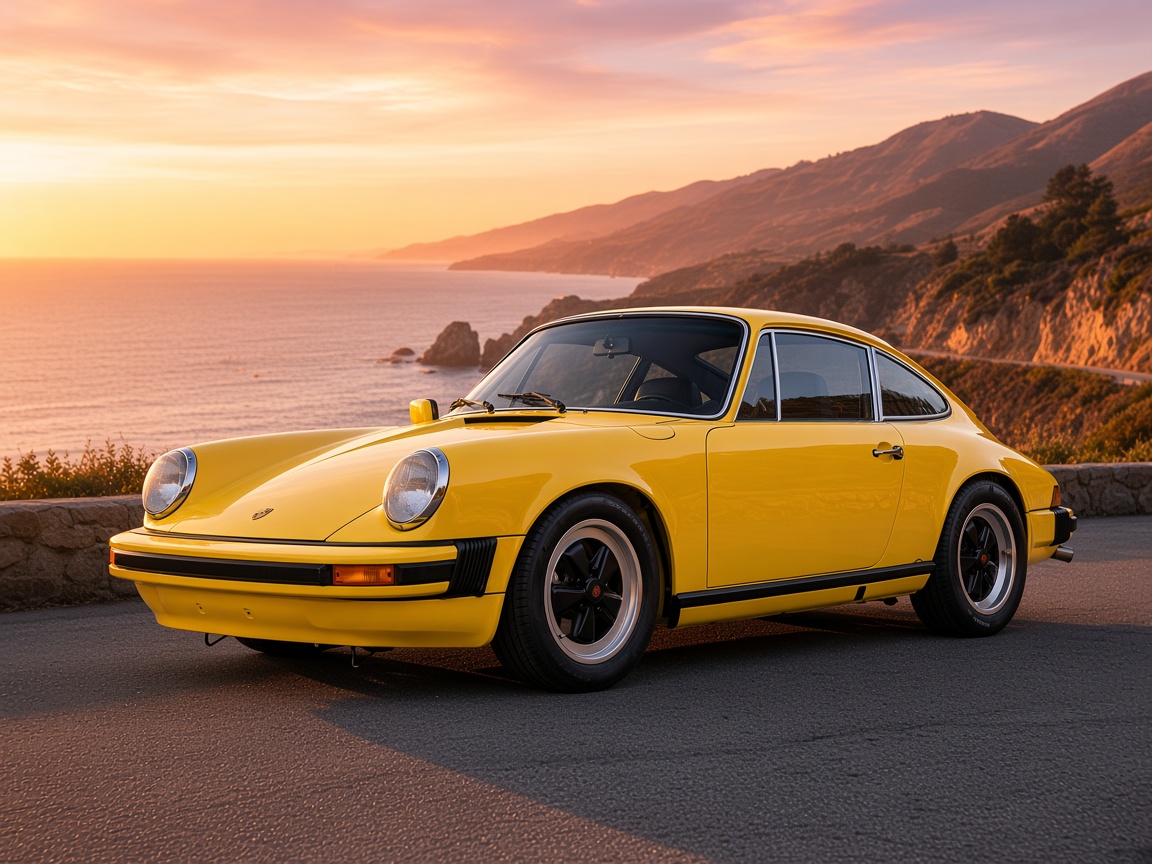
- Bright overcast days, which act like a giant softbox and are great for dark paint
Avoid harsh midday sun. It throws hard reflections off the paint and puts deep shadows under the car.
Where to shoot
Pick a spot that makes the car the only thing to look at:
- Empty car park level, a quiet industrial street, an open bit of road with nothing behind the car
- Plain backgrounds: a clean wall, open space, trees in the distance
- Leave room around the car so you can stand back
Avoid your cluttered driveway, bins, other cars, people, and anywhere with distracting reflections. Check the paint for reflections of yourself and the street before you shoot.
Don't block traffic or shoot on private property without permission.
Phone settings and technique
- Clean the lens. Phones live in pockets. A smudge ruins every shot
- Shoot landscape, not portrait. Listing grids and galleries are built for it
- Use the main (1x) lens or slightly zoomed (2x). Ultra-wide lenses distort cars, making noses look huge and wheels look small
- Stand back and zoom a touch rather than getting close
- Get low. Most car shots look best from around headlight height. Crouch
- Tap to focus and expose on the car, then slide exposure down slightly if bright paint is blowing out
- Turn the wheels slightly for front three-quarter shots so the face of the wheel points toward the camera
- Keep it straight. Turn on the grid and keep horizons level
Light editing is fine: straighten, crop, a little brightness or contrast. Don't use filters, and never edit out damage.
The shot list
Shoot in this order so nothing gets missed. Aim for 20 to 40 photos for a modified or enthusiast car.
Exterior
- Front three-quarter (the hero shot, wheels turned toward camera)
- Rear three-quarter
- Full side profile, both sides
- Straight front and straight rear
- Wheels and tyres, close up, showing tread
- Brakes behind the wheel, if upgraded
- Badges and details that confirm the variant
Interior
- Driver's door open, showing seat and dash
- Dash and instrument cluster with the ignition on, showing kilometres and no warning lights
- Front seats, rear seats, headlining
- Gauges, steering wheel, shifter, seats if aftermarket
- Boot or tray
Mechanical
- Engine bay, wide shot
- Close-ups of key parts: turbo, intake, intercooler, ECU, fuel system
- Underneath, if it's lowered or lifted, showing suspension and exhaust
- Compliance plate and VIN (consider blurring part of the VIN in the public ad and sharing the full one with genuine buyers)
Proof
- Engineering certificates, dyno sheet, receipts, laid out flat in good light
- Any damage or wear, honestly and clearly
Optional
- A short walkaround video and a cold start clip. Enthusiast buyers love hearing a cold start, and it shows there's nothing to hide
Choosing the lead photo
Your cover photo should be the front three-quarter, shot low, in good light, with a clean background. It's the image that appears in search results, so it's doing most of the work. Avoid leading with an interior or engine shot. Buyers want to see the car first.
Order the gallery like a walkaround
Upload in a logical order: hero shot first, then the rest of the exterior, then interior, engine bay, underneath, paperwork and flaws last. A buyer flicking through should feel like they're walking around the car. Jumping between interior and exterior shots makes a car harder to read and easier to skip.
If you reshoot after fixing something, replace the old photos rather than adding to them. Outdated photos that no longer match the car cause awkward conversations at inspection.
Common mistakes
- Car photographed dirty, or still dripping wet
- Ultra-wide lens distortion
- Portrait orientation
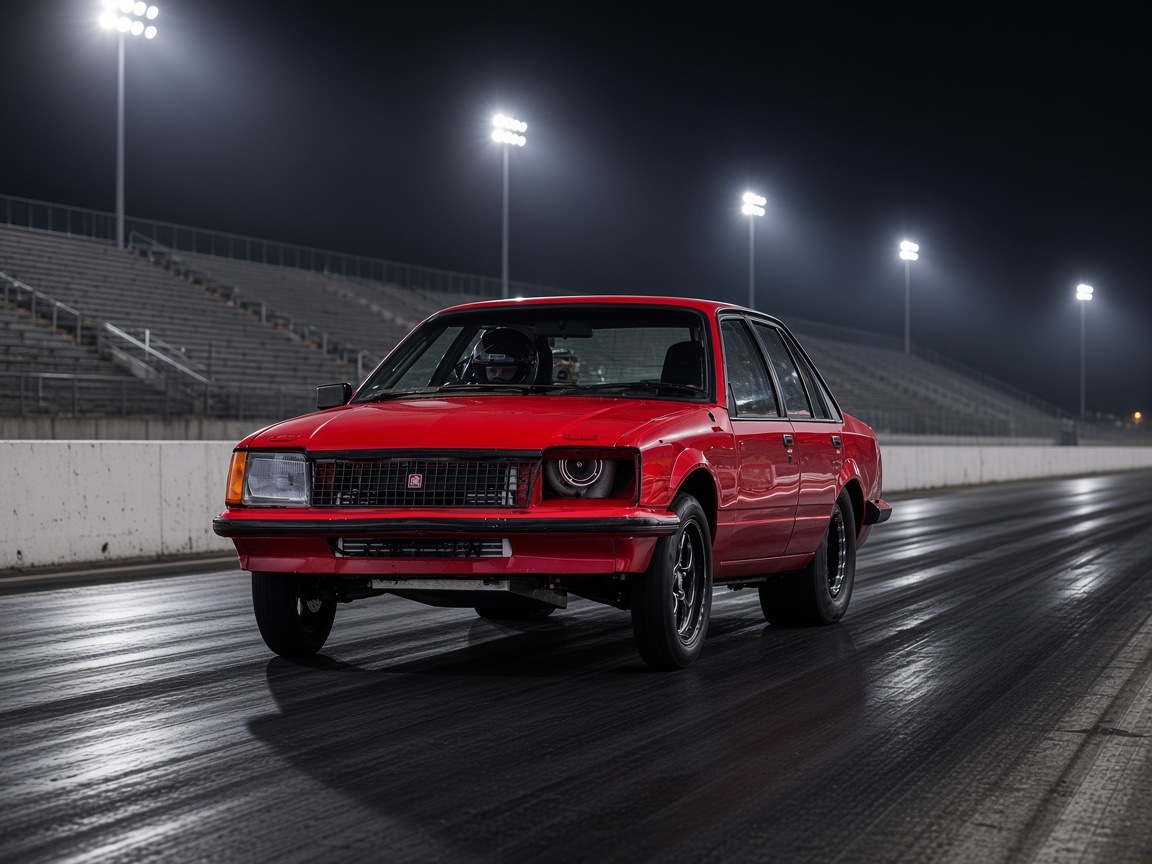
- Shooting in a cluttered garage or at night
- Only four or five photos
- Showing the car from the angles that flatter it and hiding the rest
- Photos so heavily filtered the colour looks wrong
Put the photos to work
Great photos get clicks. The ad still has to close the deal, with a clear price, a full mod list and the paperwork. Our guide to selling a modified car covers writing the listing, and what paperwork you need to sell a car covers the legal side. If you're still deciding where to sell, see private sale vs dealer vs auction.
On Horsepower House, listing is free and your listing never expires, so those photos keep working until the car sells.
List your car free. Never expires.
List your carFrequently asked questions
How many photos should a car ad have?
Enough to show every side, the interior, the engine bay and any key features or flaws. For a modified car, 20 to 40 well-chosen photos is a good target.
What's the best time of day to photograph a car?
Early morning or late afternoon, or on a bright overcast day. Avoid harsh midday sun, which causes hard reflections and dark shadows.
Can I take car sale photos on my phone?
Yes. A current smartphone is plenty. Use the main lens, clean it, shoot in landscape, and stand back and zoom slightly rather than getting close with the wide-angle lens.
Should I photograph damage on my car?
Yes. Clear photos of scratches, chips or wear build trust and save wasted inspections. Buyers will find them anyway.