In this guide
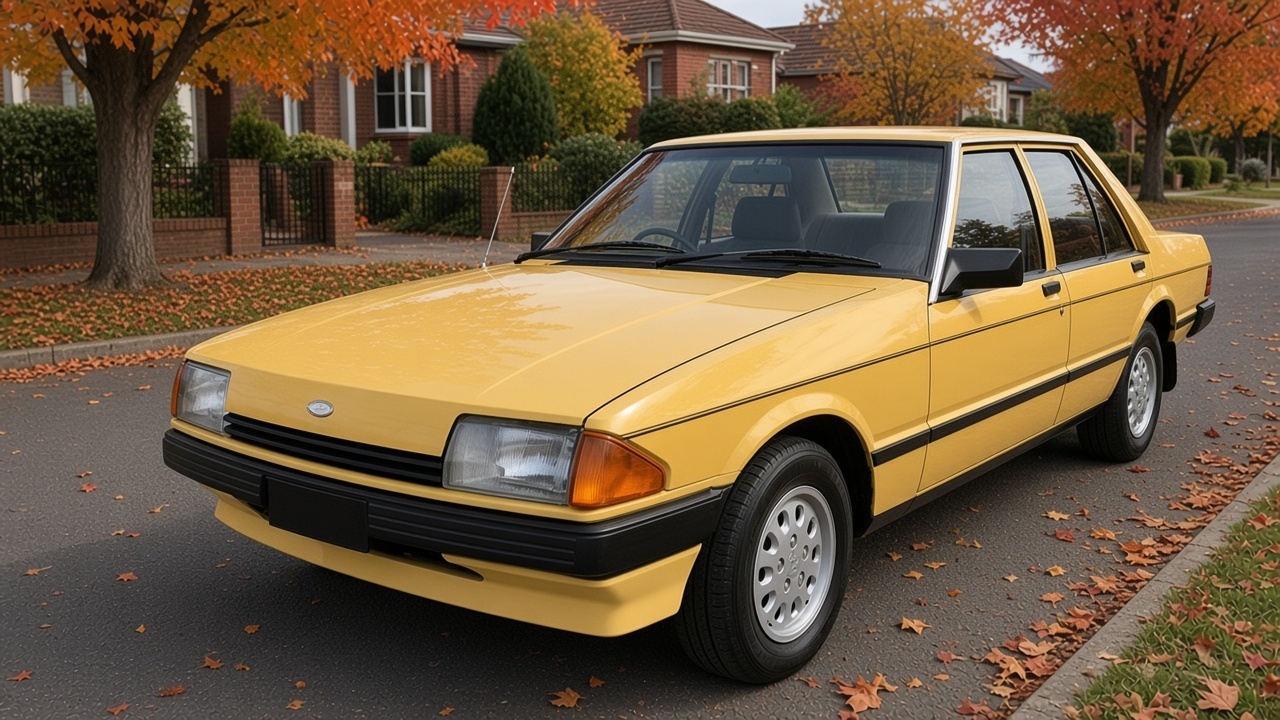
Before the Commodore took over, Australia drove Falcons. The XE broke the Commodore's run as the country's best-selling car in 1982, and the XF went on to become Ford Australia's best-selling Falcon of all, with more than 278,000 built. That means there are still plenty around, and a lot of them are now cheap, honest project cars.
They're simple to work on, parts are still easy to find and the engine bay swallows big engines. But at 40-plus years old, condition is everything.
Quick answer: The XE (1982–84) and XF (1984–88 sedan and wagon, to 1993 for utes and vans) ran 3.3 and 4.1-litre sixes, with V8s only in 1982 XEs. The 4.1 EFI is the best factory engine. Check the cooling system and head gasket on the alloy-headed sixes, rust on wagons and around the screens, faded paint and worn front ends. Modified cars, especially engine swaps, need engineering paperwork.
XE and XF history and variants
The XE was a heavy facelift of the XD and added a new coil-sprung rear end with four trailing arms and a Watt's linkage on sedans. Wagons, utes and vans kept leaf springs. The XF that followed was another update of the same car.
| Model | Years | Engine | Output | Transmissions |
|---|---|---|---|---|
| XE | 1982–84 | 3.3L six | 90 kW | 3-speed column manual, 4- and 5-speed floor manuals, 3-speed auto |
| XE | 1982–84 | 4.1L six (carby) | 105 kW / 310 Nm | 4-speed manual, 3-speed auto |
| XE | 1983–84 | 4.1L EFI six (Bosch LE-Jetronic) | 111 kW / 325 Nm | Manual or 3-speed auto |
| XE | 1982 only | 4.9L and 5.8L V8 | 4.9: 140 kW / 344 Nm | Manual or auto |
| XF | 1984–88 | 3.3L six (carby) | 90 kW, 88 kW after unleaded change | 3-, 4- and 5-speed manuals, 3-speed auto |
| XF | 1984–88 | 4.1L six (carby) | 103 kW, 97.5 kW after unleaded change | 4- and 5-speed manuals, 3-speed auto |
| XF | 1984–88 | 4.1L EFI six (EEC IV) | 120 kW / 333 Nm, then 121 kW / 325 Nm | 4- and 5-speed manuals, 3-speed auto |
| XF ute and van | 1988–93 | 4.1L six (carby) | As above | 3- and 5-speed manuals, 3-speed auto |
Notes that matter:
- Unleaded. From January 1986, new cars had to run on unleaded fuel with a catalytic converter. Later XFs were tuned for 91 RON, which is why outputs changed.
- XF updates. From October 1986, power steering and four-wheel disc brakes became standard on passenger models, and the five-speed manual became available with both 4.1-litre engines.
- Trims. GL with an optional S pack, Fairmont, and Fairmont Ghia. The XE also offered the Falcon S. Limited editions include the XE Eclipse and X-Pack, and the XF Silver Anniversary and Family Edition.
- ESP. The European Sports Pack was an option on the XE Fairmont Ghia. 1982 V8 ESPs were two-tone; later ESPs used the EFI six.
- Nissan Ute. Nissan sold a badge-engineered XF ute from 1988 to 1992.
What goes wrong
Cooling and head gaskets
The alloy-headed sixes are tough but hate dirty coolant. Corrosion in the cooling system leads to head gasket trouble, and overheating makes it worse. Clean coolant is the best sign you'll get.
Hard lives
Many XE and XF Falcons worked for a living: towing, fleet duty, farm use. High kilometres, rattly engines and oil leaks are common. Cars with towbars and heavy wear deserve extra scrutiny.
LPG conversions
Lots of these cars were converted to LPG. Some systems are fine, others are tired or no longer compliant. Have any gas system checked properly, or plan to remove it.
Rust and paint
Rust isn't usually severe on sedans, but wagons rust around the rear liftback. Check screen surrounds, boot floors, sills and door bottoms on any car this age. Faded paint is common, especially on metallic colours.
Front end and interior
Worn, loose front ends are common. Interior plastics crack and distort in the sun, and dash tops are prone to cracking.
XE and XF inspection checklist
- Coolant: Check colour and level. Rusty or oily coolant is a bad sign on an alloy-headed six.
- Cold start: Listen for rattles and knocks. Watch for blue smoke and white smoke that lingers.
- Leaks: Rocker cover, sump and rear main.
- Overheating: Watch the temperature gauge on a decent drive, including in traffic.
- Gearbox: Manuals should shift cleanly without crunching. The three-speed auto should shift firmly without slipping.
- Steering and front end: Clunks, wandering and excessive play mean worn joints and bushes.
- Brakes: Check whether the car has rear drums or discs, and that it pulls up straight.
- Rust: Screen rubbers, boot floor, wagon liftback, sills and door bottoms. Lift carpets if you can.
- LPG: Check the system's condition and compliance, or budget to remove it.
- Identity: For ESP, V8 and other collectable models, confirm the car's identity with the build plate and documentation. Clones exist.
- Paperwork: Service history and a PPSR check.
Modified XE and XF Falcons: what to look for
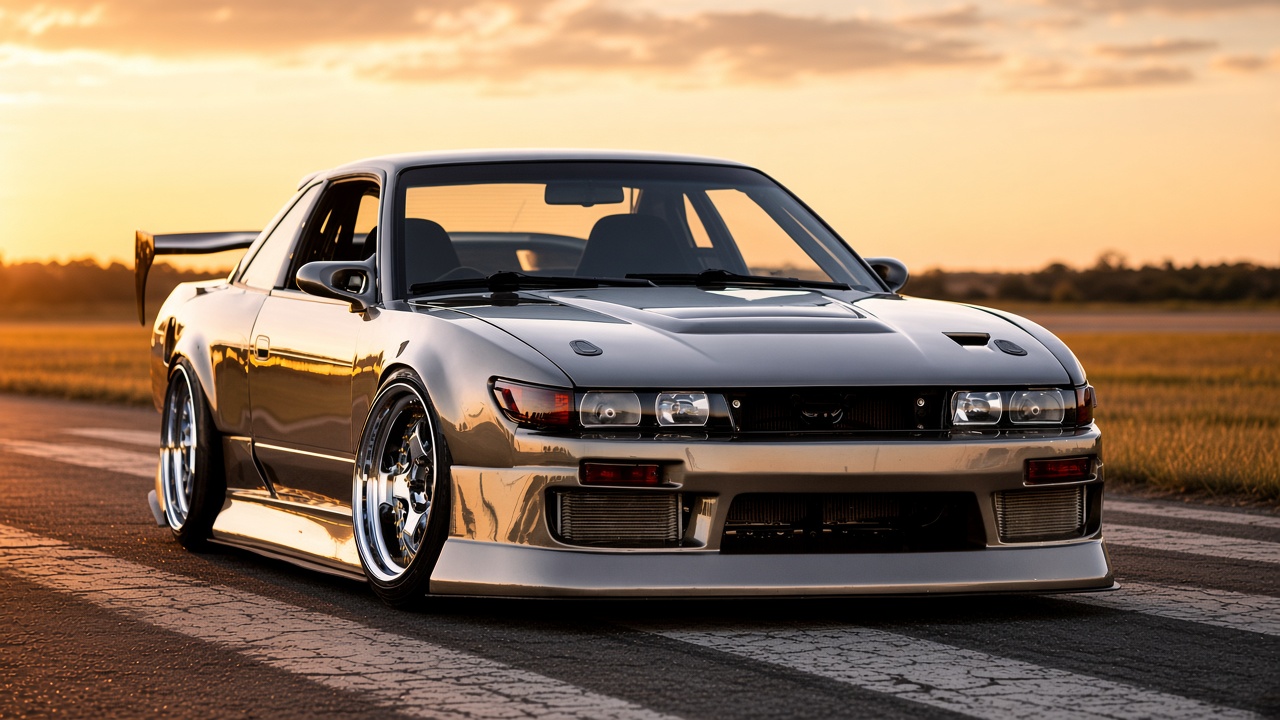
These Falcons are a favourite base for street cars and drag builds. Common paths:
- Six-cylinder tune-ups: Exhaust, extractors, carby or EFI upgrades on the factory 4.1.
- Barra swaps: Turbo Barra engines from BA to FG Falcons are a popular swap, often with an aftermarket ECU.
- V8 swaps: Windsor and Cleveland V8s, or LS engines.
- Suspension and brakes: Lowered springs, better shocks and brake upgrades, especially on drum-braked cars.
What to check:
- Engineering. An engine swap usually needs engineering approval for rego, and big power with factory brakes and diff is a risk. Our guide to what mods need engineering explains the basics, and our LS swap guide covers swap compliance.
- Wiring and fuel. Swaps live or die on wiring and fuel system quality. Neat looms, proper fuel lines and a sized pump are good signs.
- Driveline. Gearbox, tailshaft and diff need to match the power.
- Tune. Ask who tuned it and request a dyno sheet. See our dyno tuning guide.
Read how to spot a dodgy engineering cert before you buy a swapped car.
What drives XE/XF value
We don't quote prices. These cars vary from tired fleet sedans to concours ESPs, and one figure wouldn't mean anything. What moves the number:
- Model and engine. V8 XE ESPs and other limited editions sit at the top. EFI Fairmont Ghias and S-pack cars attract more interest than base GLs.
- Originality. Unmodified, rust-free cars with original paint and interior are getting rare.
- Body style. Utes and panel vans have their own strong following.
- Rust and condition. Rust repair and paint are the costliest things to fix properly.
- Build quality on modified cars. An engineered, well-documented Barra or V8 swap holds value far better than a half-finished project.
See whether mods add value or kill it.
XE and XF Falcons for sale
Browse live Falcon listings below, or search all Ford Falcon listings.
Planning a swap? Find an engineering workshop near you.
Related guides
- Ford XR6 Turbo (BA/BF/FG) Buyer's Guide
- Holden VL Turbo Buyer's Guide
- Buying a Modified Car: 15 Things to Check Before You Pay
- How to Tell a Genuine Build From a Cheap One
List your car free. Never expires.
List your carFrequently asked questions
What years were the XE and XF Falcon made?
The XE was built from March 1982 to October 1984. The XF sedan and wagon ran from October 1984 to early 1988, while XF utes and vans continued until 1993.
Did the XE Falcon come with a V8?
Yes, but only in 1982. Ford ended local V8 production in late 1982 and the Falcon didn't get a V8 again until the EB in 1991. Early XE Fairmont Ghia ESPs are the V8 cars collectors chase.
What is the best engine in an XF Falcon?
The 4.1-litre EFI six is the pick, making 120 kW and 333 Nm before the unleaded change and 121 kW and 325 Nm after it. Carby 3.3 and 4.1 sixes are simpler but less punchy.
What are common XF Falcon problems?
Head gasket trouble on the alloy-headed sixes when coolant is neglected, cooling system corrosion, faded paint, sun-damaged interior plastics and worn front ends. Wagons can rust around the rear liftback, and many cars have been converted to LPG.
Can you put a Barra in an XF Falcon?
Barra and V8 swaps into XE and XF Falcons are common. An engine swap usually needs engineering approval for rego, so talk to a licensed engineer in your state before you start or buy one.